

Effective cleaning is a fundamental requirement of sanitary processing, but achieving consistent results involves more than choosing the right cleaning chemicals or creating a cleaning schedule. The physical design of a processing system plays an important role in determining how... keep reading
Q-Line Gaskets
Q-Line fittings are very similar to Tri-Clamp fittings, but are heavier duty and not as widely used. One key difference between the two styles of fittings is that Q-Line fittings have a slightly larger width for their flange faces than Tri-Clamp fittings. Q-Line fittings use the same type of clamp as our standard I-Line fittings. The wider I-Line fittings are a suitable size to accommodate the same size Q-Line fittings. Read more on our blog.
Products
Showing the single result
Related Blog Posts
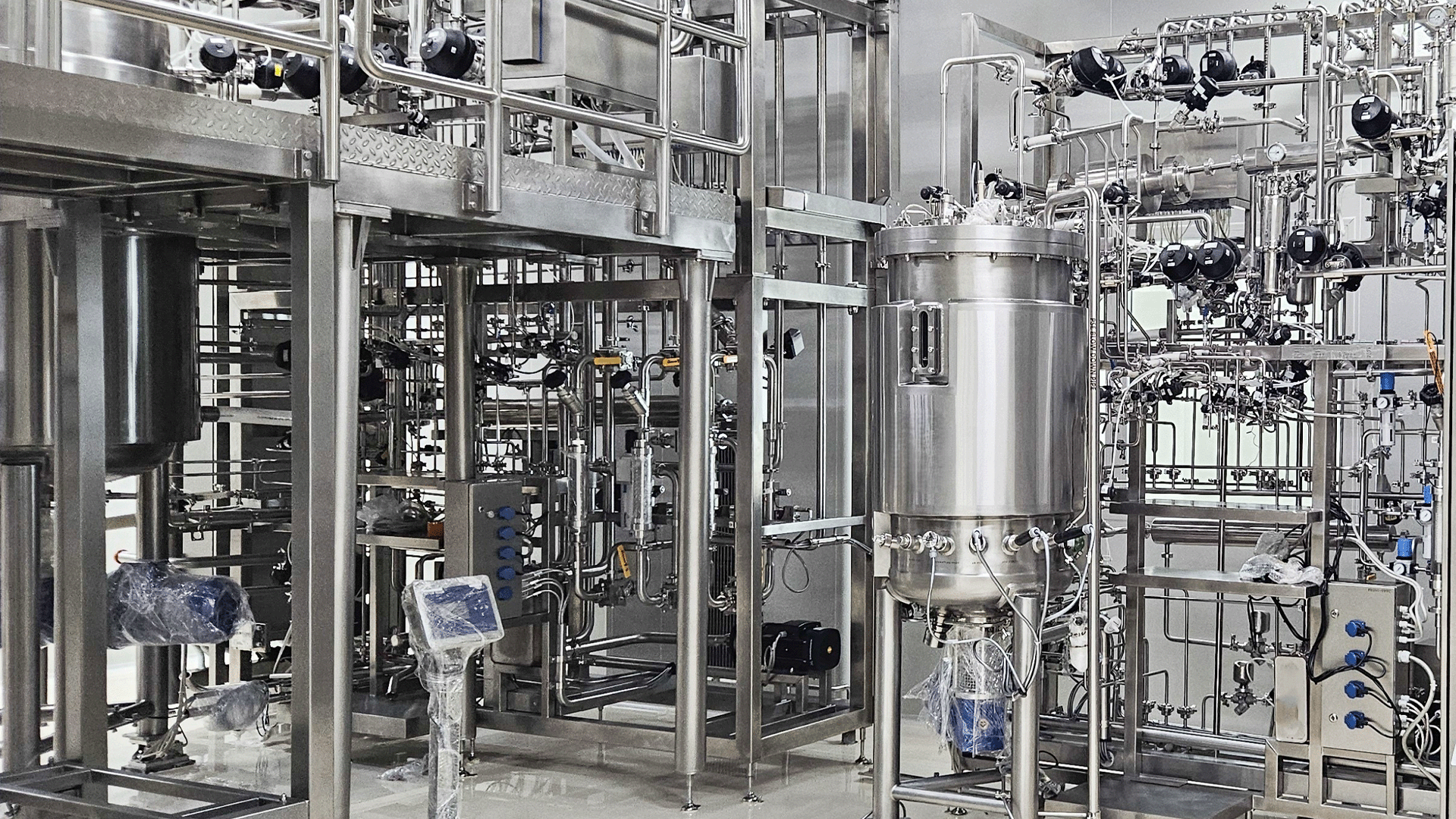
Designing Sanitary Systems for Repeatable Cleaning (and why it matters)
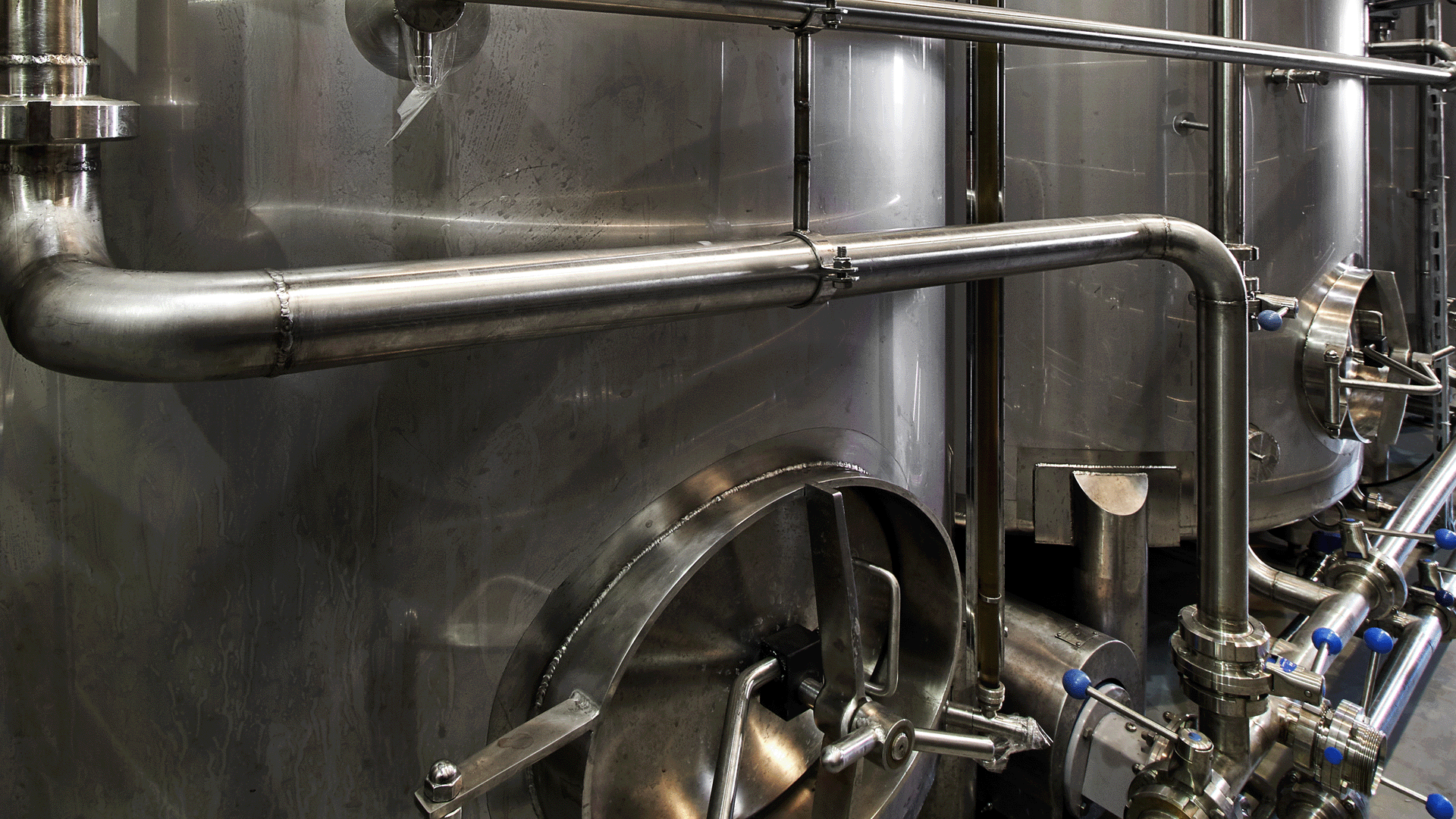
How Seasonal Temperature Changes May Affect Your Equipment
Seasonal temperature changes can influence sanitary process equipment even when the process itself operates under controlled conditions. Now, we aren’t talking about a sanitary facility being outside or directly affected by the outside weather, but even ambient temperatures may change... keep reading
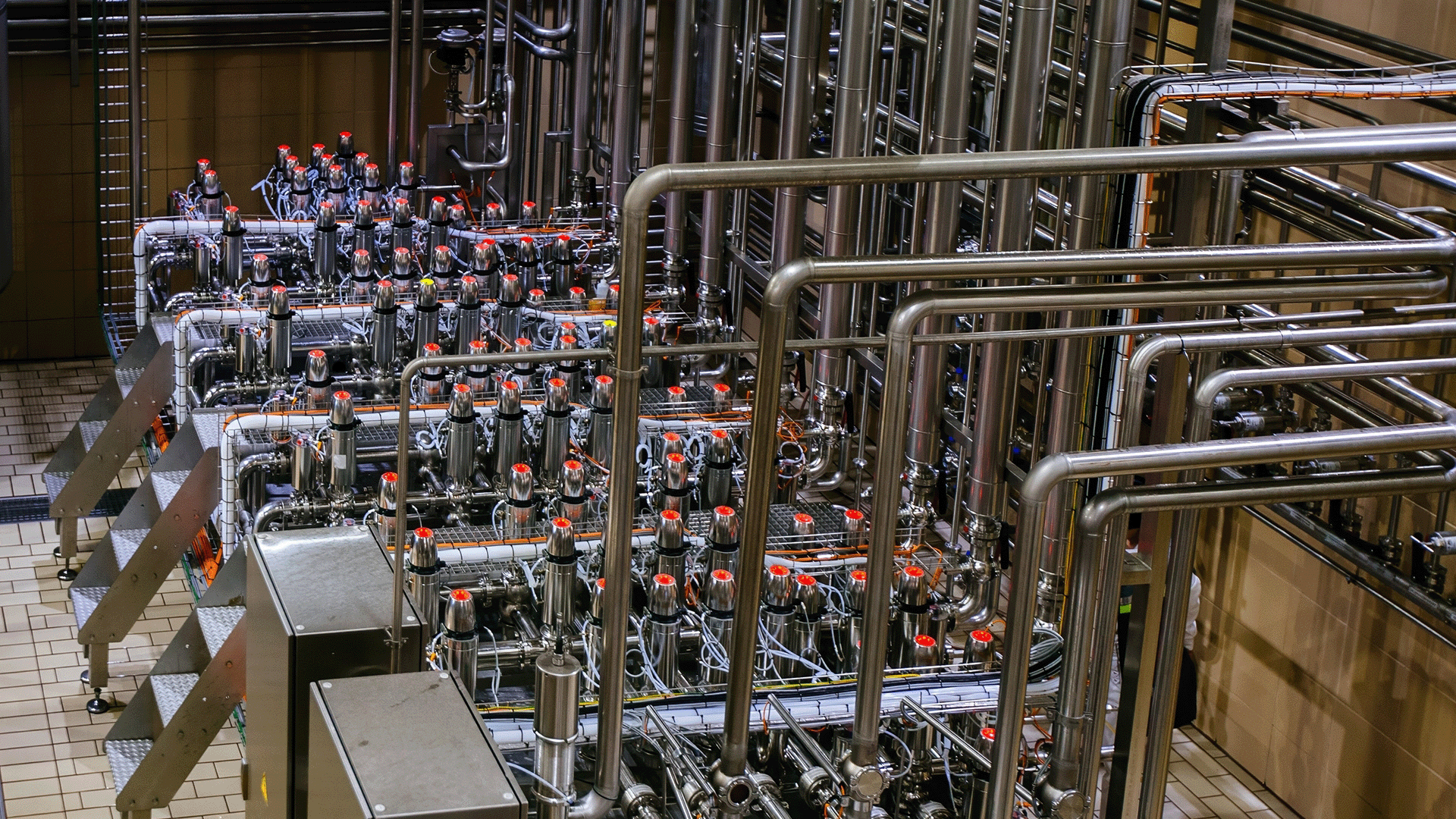
Why Traceability Matters in Sanitary Processing
In sanitary processing, documentation is more than just paperwork. It’s the record of what was installed, where it was used, and how it was maintained. Good documentation and traceability can help teams make better decisions when uptime is on the... keep reading