Effective cleaning is a fundamental requirement of sanitary processing, but achieving consistent results involves more than choosing the right...
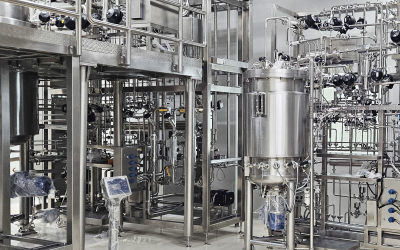
Designing Sanitary Systems for Repeatable Cleaning (and why it matters)
read more
Our team will be out of the office on July 3rd & 4th. Orders placed during this time will be processed when we return.

Explore in-depth guides, industry trends, and best practices for the food, beverage, pharmaceutical, and manufacturing industries. For all professionals committed to safety, compliance, and performance.
Effective cleaning is a fundamental requirement of sanitary processing, but achieving consistent results involves more than choosing the right...
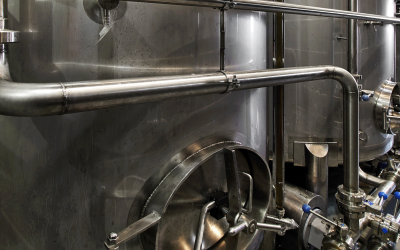
Seasonal temperature changes can influence sanitary process equipment even when the process itself operates under controlled conditions. Now,...
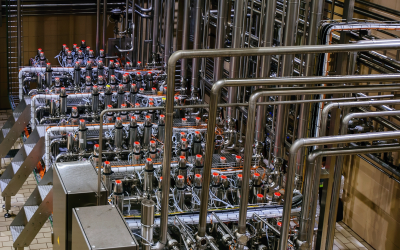
In sanitary processing, documentation is more than just paperwork. It's the record of what was installed, where it was used, and how it was...
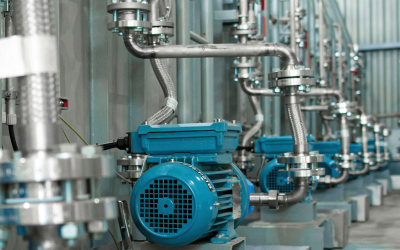
Wear items are the components in a sanitary processing system that are expected to age, compress, abrade, fatigue, or lose performance through...
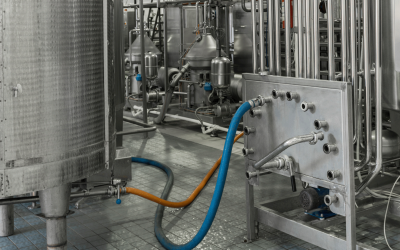
Sanitary hose assemblies and hard tubing both move product or cleaning solutions through hygienic processing systems. The right choice depends...
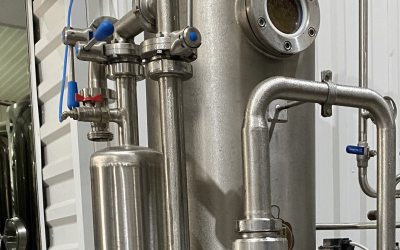
A material test report, often called an MTR, is a document that helps verify the material used to manufacture a metal component. In sanitary...
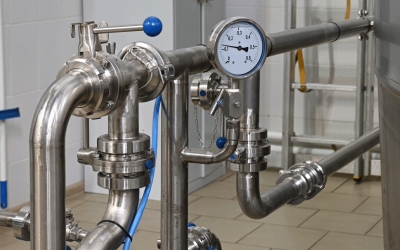
Sanitary instrumentation gives operators, QA teams, and maintenance staff a clearer view of what is happening inside a hygienic process system....
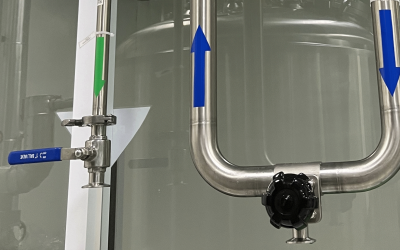
In sanitary processing, cleanability is not only about the materials used, but also about how the piping system is laid out, how product moves...
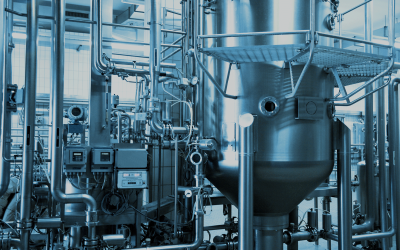
Contamination control starts long before a production line is cleaned. It begins with how the system is designed, installed, inspected, and...
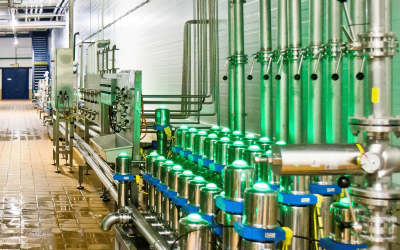
Expansion is a good problem to have, but it can get expensive fast if your sanitary system was built with no room to grow. In hygienic...
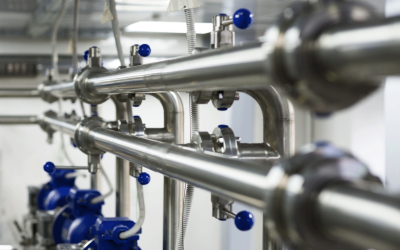
Thermal Expansion in Sanitary Process Tubing Thermal expansion is easy to overlook because stainless sanitary tubing feels rigid and “fixed”...
Why sanitary surface finish matters In hygienic processing, surface finish is not about looks. It is about how easily a surface releases...