Choosing between 304 and 316L stainless steel is rarely about “better” and more about the environment your equipment actually sees: chlorides, cleaners, temperature swings, weld density, and how...
Our team will be out of the office on December 31st & January 1st. Orders placed during this time will be processed when we return.
Choosing between 304 and 316L stainless steel is rarely about “better” and more about the environment your equipment actually sees: chlorides, cleaners, temperature swings, weld density, and how...
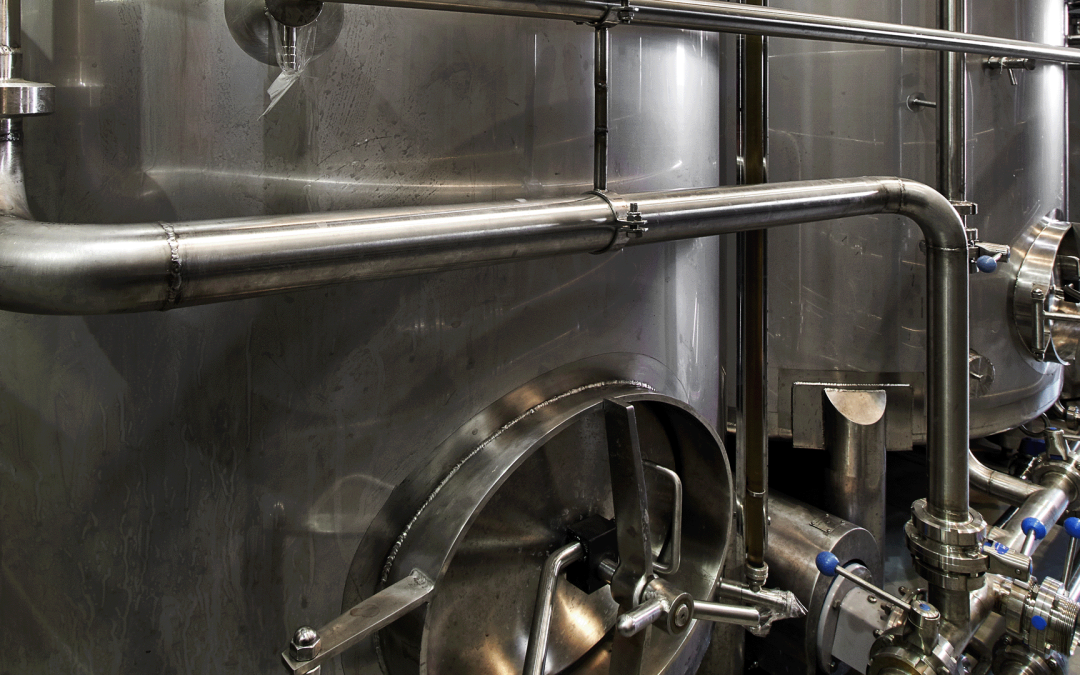
Rouge formation near stainless steel welds shows up as a reddish, orange, or brown discoloration (sometimes with a fine powdery film) concentrated in and around the heat-affected zone and can...
“Rouge” and “rust” can look similar at a glance because both can appear red, orange, or brown. In sanitary stainless systems, though, they usually point to different surface chemistry and different...
Why tube hanger spacing matters in sanitary piping Tubing support is more than just a structural detail. Hanger spacing affects drainability, joint alignment, gasket life, vibration, and how easy a...
Leaks in sanitary process systems are more than a housekeeping problem. They can introduce contamination risk, cause unplanned downtime, create slip hazards, and complicate CIP validation. The good...
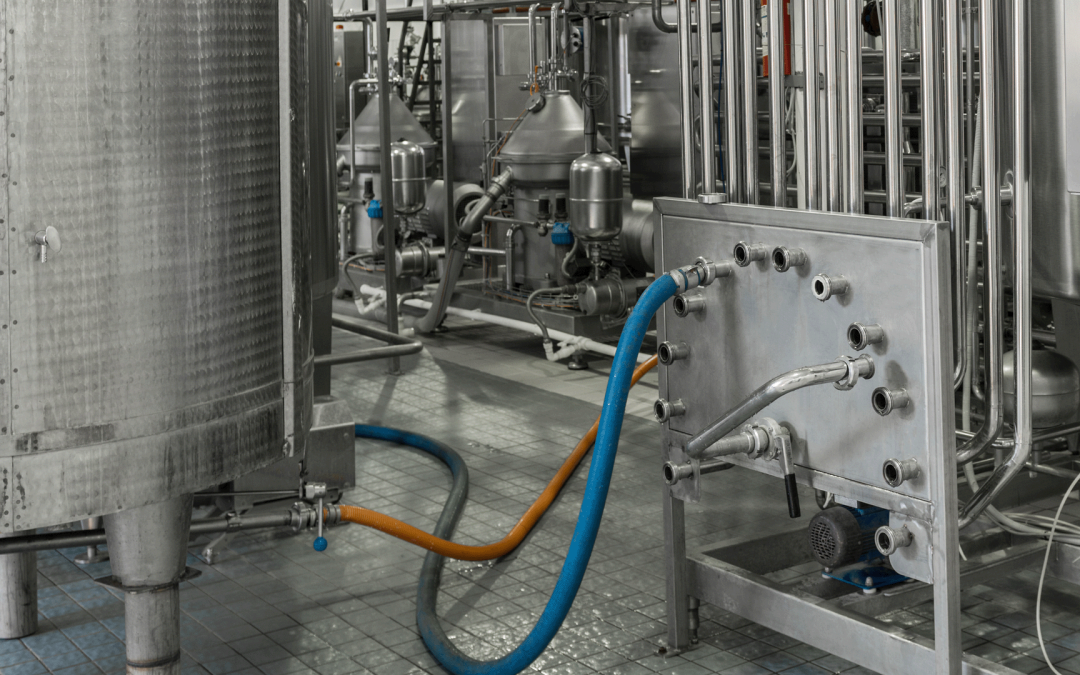
Sanitary hoses are flexible transfer lines designed for hygienic processing environments. You will see them anywhere product, cleaning solutions, or utility water needs to move between tanks, pumps,...
Sanitary hoses are one of those components that can quietly make or break a process. The right hose transfers product efficiently and stands up to your cleaning routine while reducing contamination...