
Why sanitary surface finish matters In hygienic processing, surface finish is not about looks. It is about how easily a surface releases product, cleans during CIP, and resists microbial attachment over time. The smoother the wetted surface, the fewer places... keep reading
Ball Valves
A ball valve is a quarter-turn flow control device that uses a pivoting, perforated ball to regulate the passage of liquids or gases. We offer several valves that are designed for sanitary applications as well as valves for general use, including 2-way manual valves that offer straightforward on/off control and 3-way configurations that allow for diverting or mixing flow.
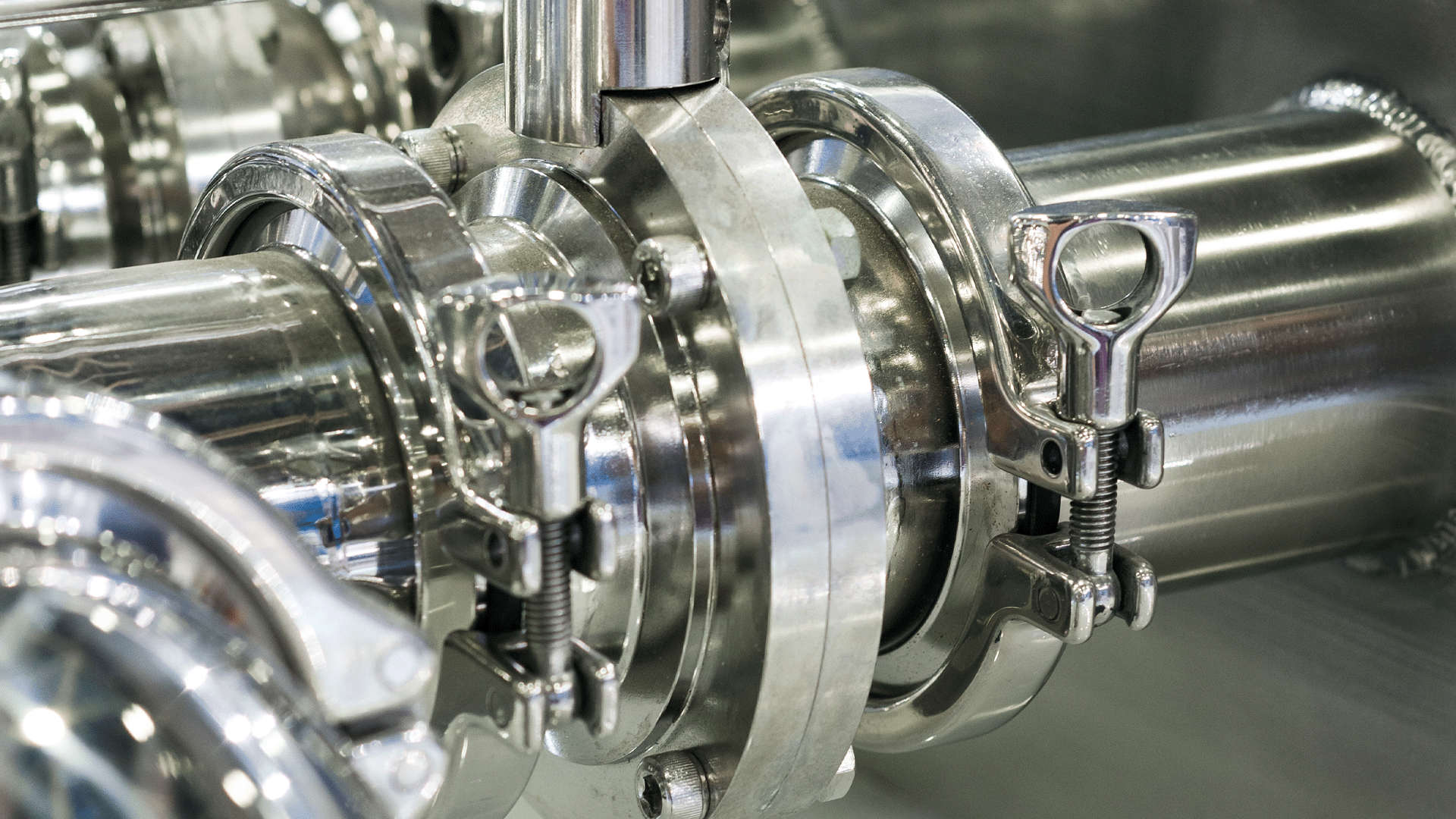
We offer valves with Tri-Clamp fittings for secure, hygienic connections, as well as, NPT, Flanged, Threaded, and Compression connections. Some are offered in 3-piece encapsulated designs that help minimize contamination while simplifying maintenance. You can also select from full-port models, which maximize flow through the valve, or specialized versions rated for higher pressures or CIP (clean-in-place) service to meet more demanding process requirements.
Products
Showing 1–12 of 14 resultsSorted by popularity
-
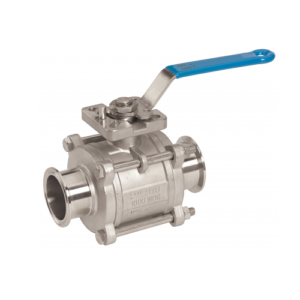
Tri-Clamp Ball Valve (BLV2C)
-
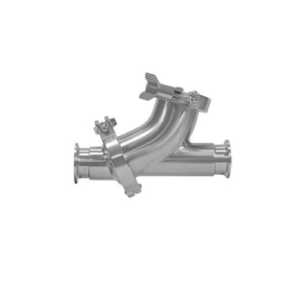
Y-Ball Check Valve (45BYMP)
-
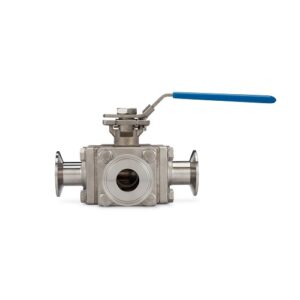
Three-Way Encapsulated Clamp Ball Valve (BLV3CL)
-
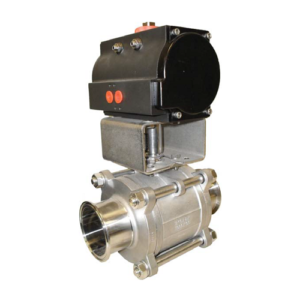
Tri-Clamp Actuated Ball Valve (BLV2C-NC)
-
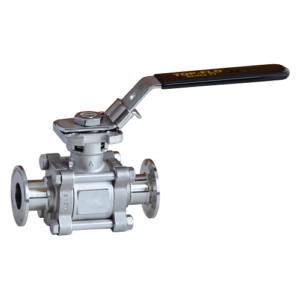
BioPharm (BPE) Tri-Clamp Ball Valve
-

Three-Way Ball Valve Replacement Kit
-
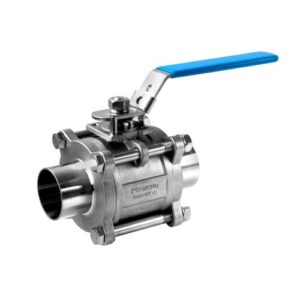
Butt-Weld Ball Valve (BLV2W)
-

Two-Way Ball Valve Replacement Kit
-
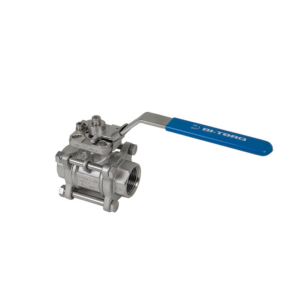
BI-TORQ® Manual 3-Piece Threaded Ball Valve with Locking Handle
-
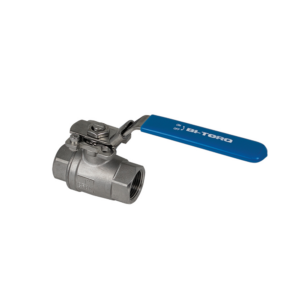
BI-TORQ® Manual 2-Piece Threaded Ball Valve with Locking Handle
-
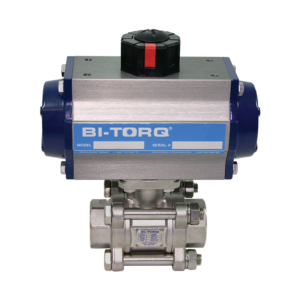
BI-TORQ® Pneumatic Actuated 3-Piece Threaded Ball Valve
-
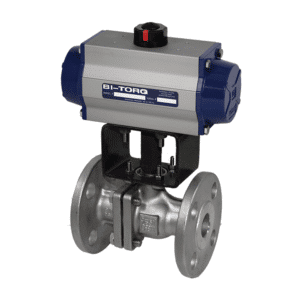
BI-TORQ® Pneumatic Actuated 2-Piece Flanged Ball Valve
Related Blog Posts
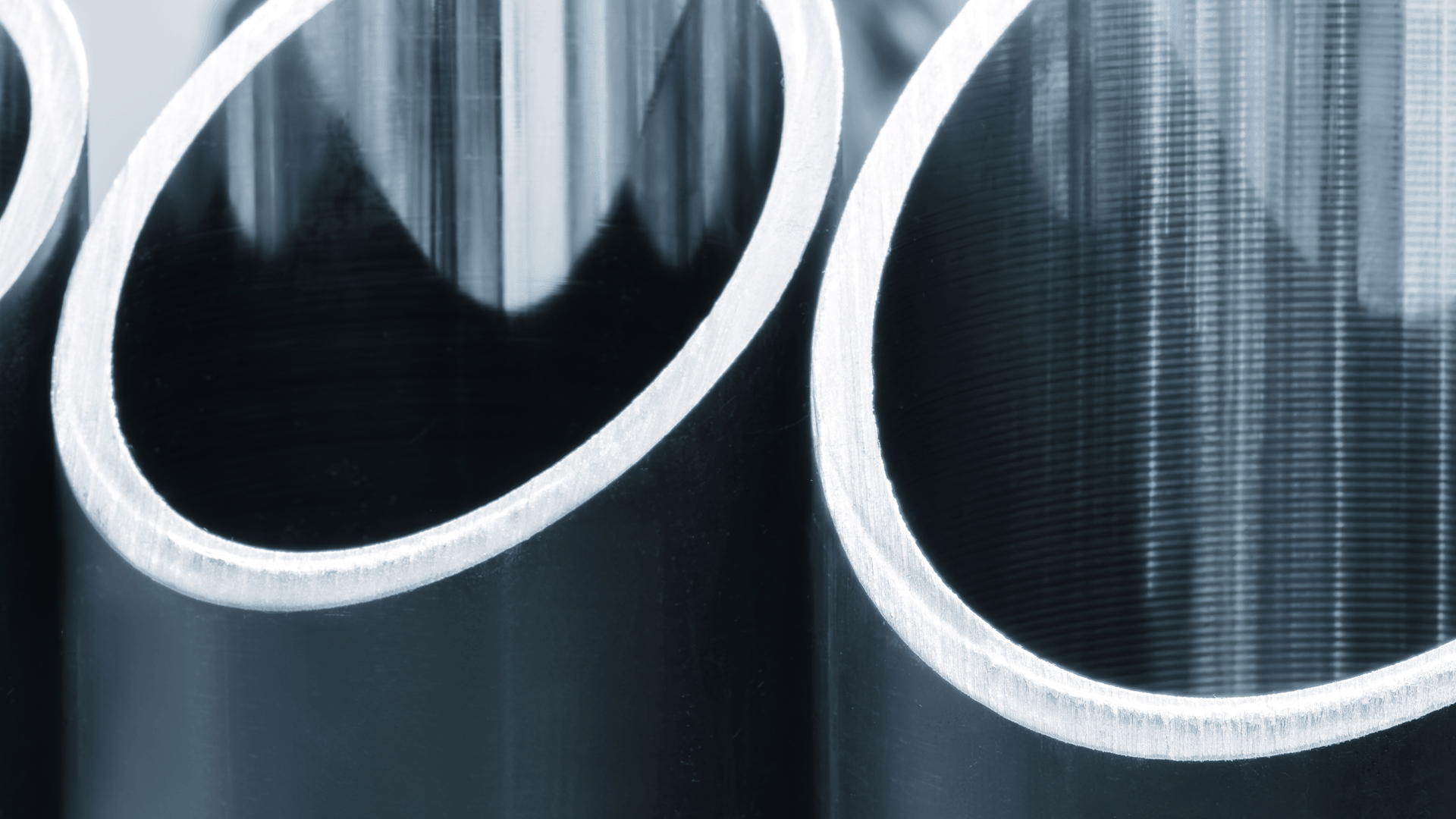
Sanitary Surface Finish Explained: Ra Values, Cleanability, and Compliance
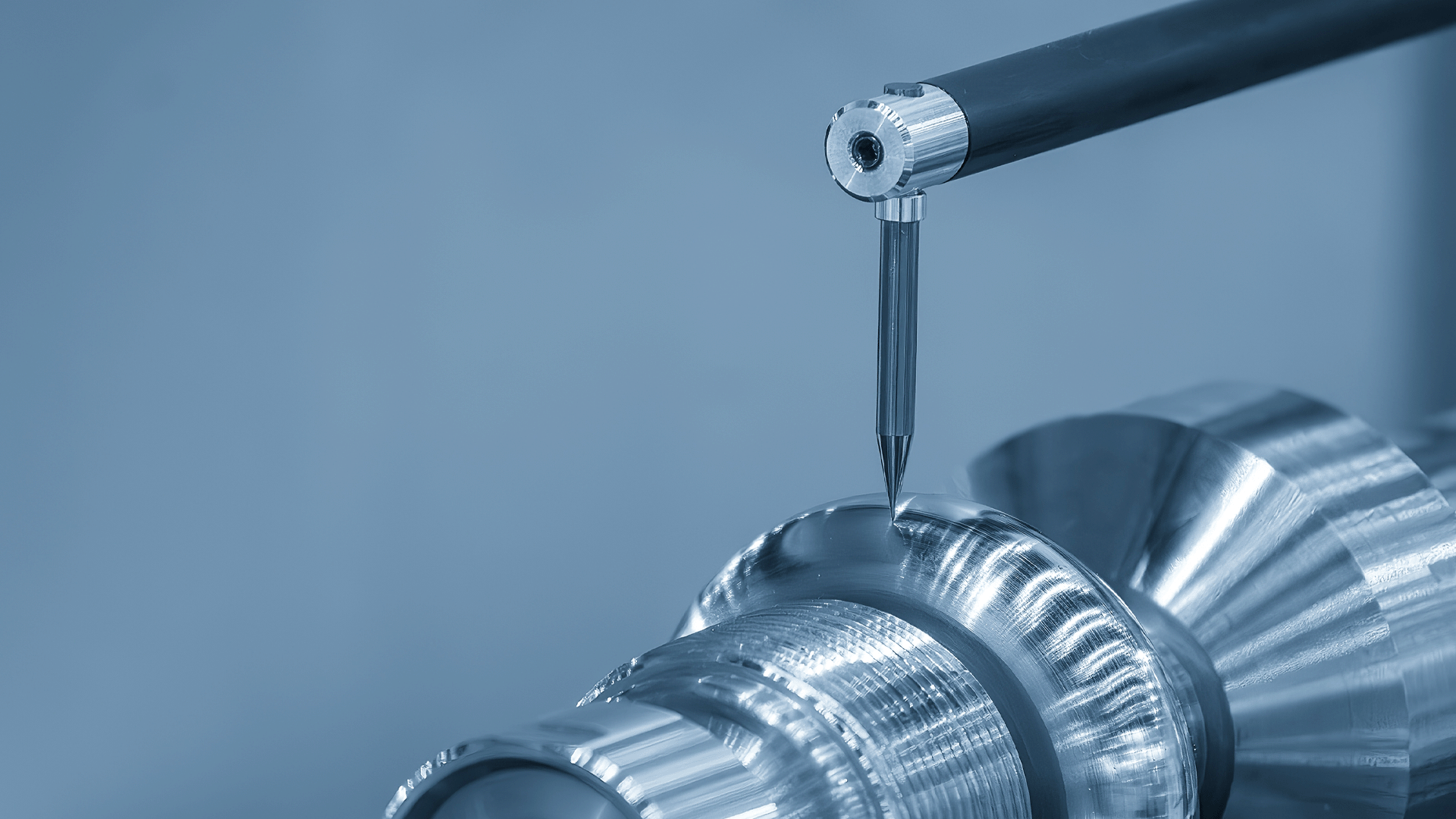
Ra vs Rz Roughness Parameters: What They Mean and How to Specify Them
Surface finish is one of those specs that can look simple on a drawing but cause real-world headaches when it is misunderstood. In sanitary processing, finish impacts cleanability, microbial harborage risk, corrosion behavior, and how reliably seals and gaskets perform.... keep reading
304 vs 316L Stainless Steel for Sanitary Processing: How to Choose
Choosing between 304 and 316L stainless steel is rarely about “better” and more about the environment your equipment actually sees: chlorides, cleaners, temperature swings, weld density, and how much risk you can tolerate. In sanitary processing, those factors show up... keep reading