
Why tube hanger spacing matters in sanitary piping Tubing support is more than just a structural detail. Hanger spacing affects drainability, joint alignment, gasket life, vibration, and how easy a line is to clean and inspect. Too few supports can... keep reading
Ball Valves
A ball valve is a quarter-turn flow control device that uses a pivoting, perforated ball to regulate the passage of liquids or gases. We offer several valves that are designed for sanitary applications as well as valves for general use, including 2-way manual valves that offer straightforward on/off control and 3-way configurations that allow for diverting or mixing flow.
We offer valves with Tri-Clamp fittings for secure, hygienic connections, as well as, NPT, Flanged, Threaded, and Compression connections. Some are offered in 3-piece encapsulated designs that help minimize contamination while simplifying maintenance. You can also select from full-port models, which maximize flow through the valve, or specialized versions rated for higher pressures or CIP (clean-in-place) service to meet more demanding process requirements.
Products
Showing 1–12 of 14 resultsSorted by popularity
-
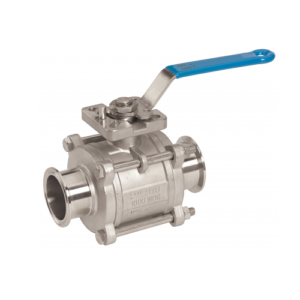
Tri-Clamp Ball Valve (BLV2C)
-
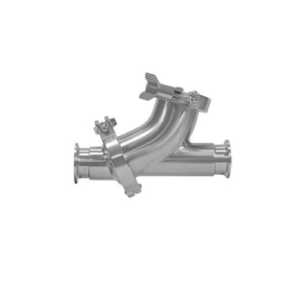
Y-Ball Check Valve (45BYMP)
-
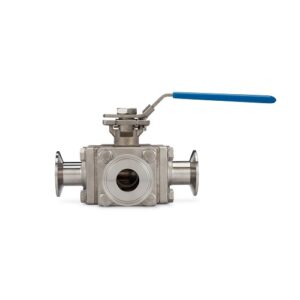
Three-Way Encapsulated Clamp Ball Valve (BLV3CL)
-
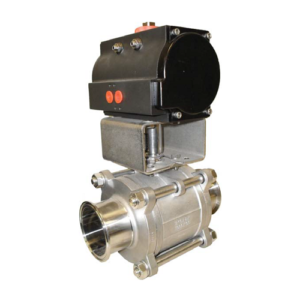
Tri-Clamp Actuated Ball Valve (BLV2C-NC)
-
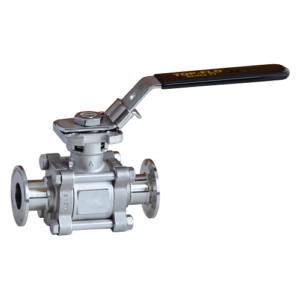
BioPharm (BPE) Tri-Clamp Ball Valve
-

Three-Way Ball Valve Replacement Kit
-
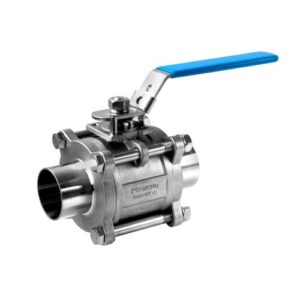
Butt-Weld Ball Valve (BLV2W)
-

Two-Way Ball Valve Replacement Kit
-
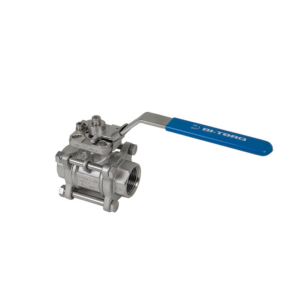
BI-TORQ® Manual 3-Piece Threaded Ball Valve with Locking Handle
-
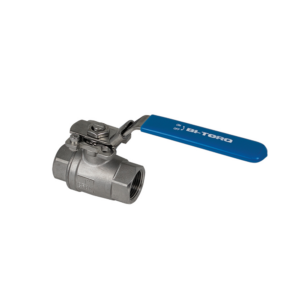
BI-TORQ® Manual 2-Piece Threaded Ball Valve with Locking Handle
-
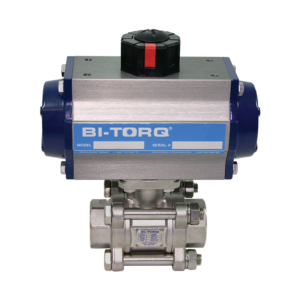
BI-TORQ® Pneumatic Actuated 3-Piece Threaded Ball Valve
-
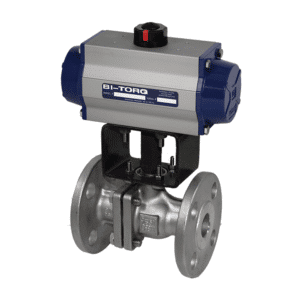
BI-TORQ® Pneumatic Actuated 2-Piece Flanged Ball Valve
Related Blog Posts
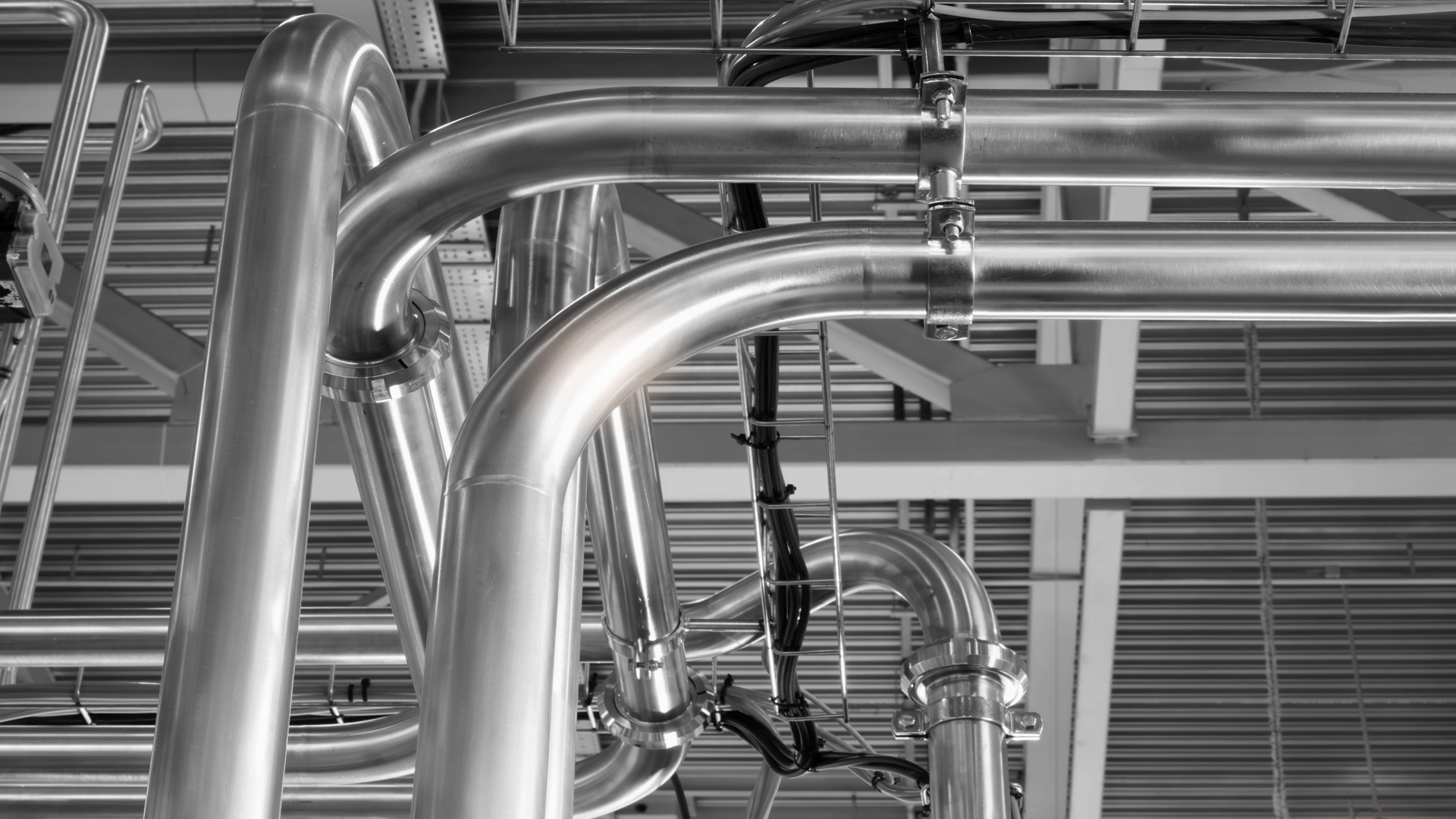
Proper Tube Hanger Spacing and Support in Sanitary Systems: Practical Guidelines
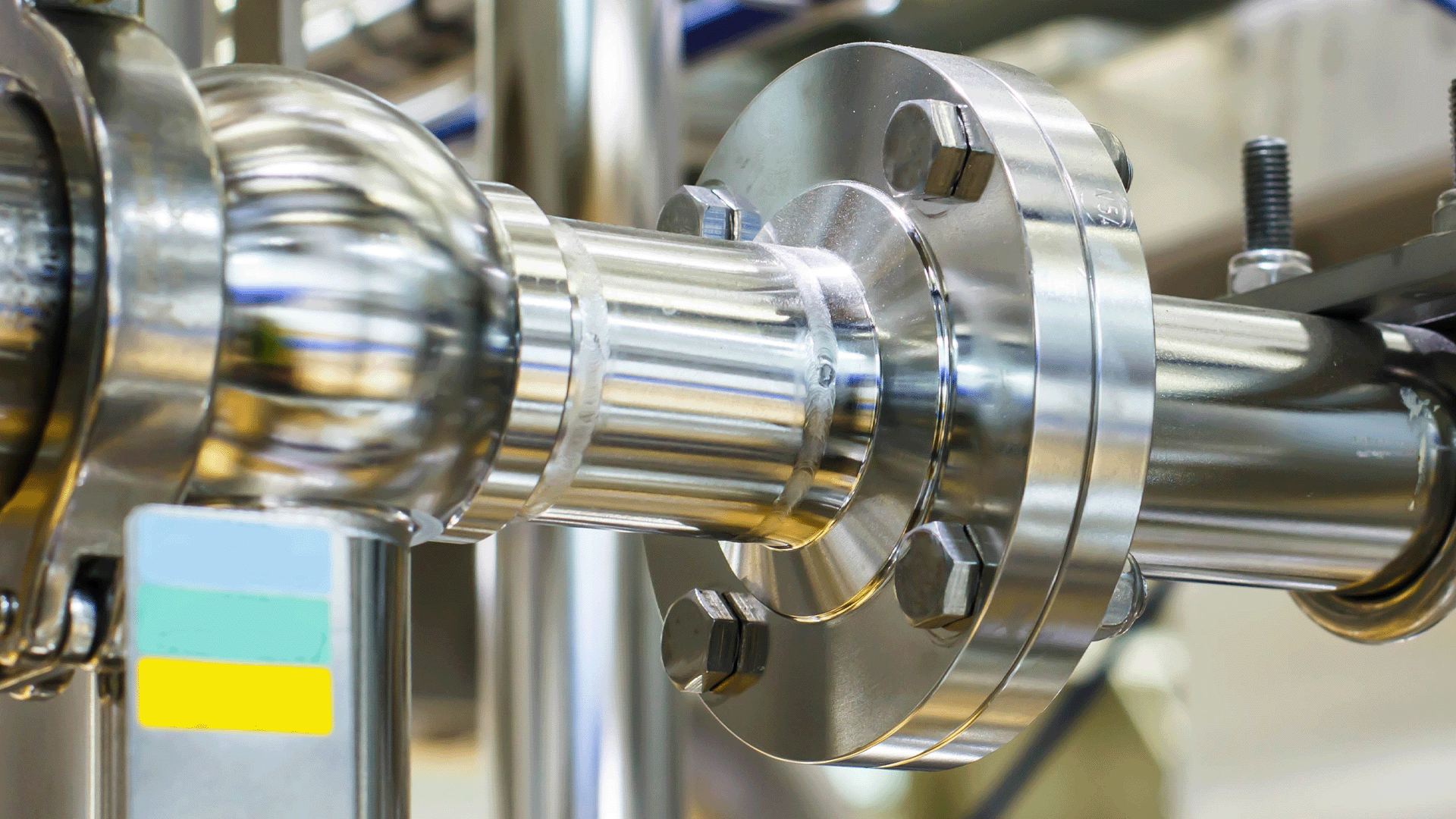
Common Causes of Leaks in Sanitary Systems (and How to Prevent Them)
Leaks in sanitary process systems are more than a housekeeping problem. They can introduce contamination risk, cause unplanned downtime, create slip hazards, and complicate CIP validation. The good news is that most leaks are preventable when you treat sealing surfaces,... keep reading
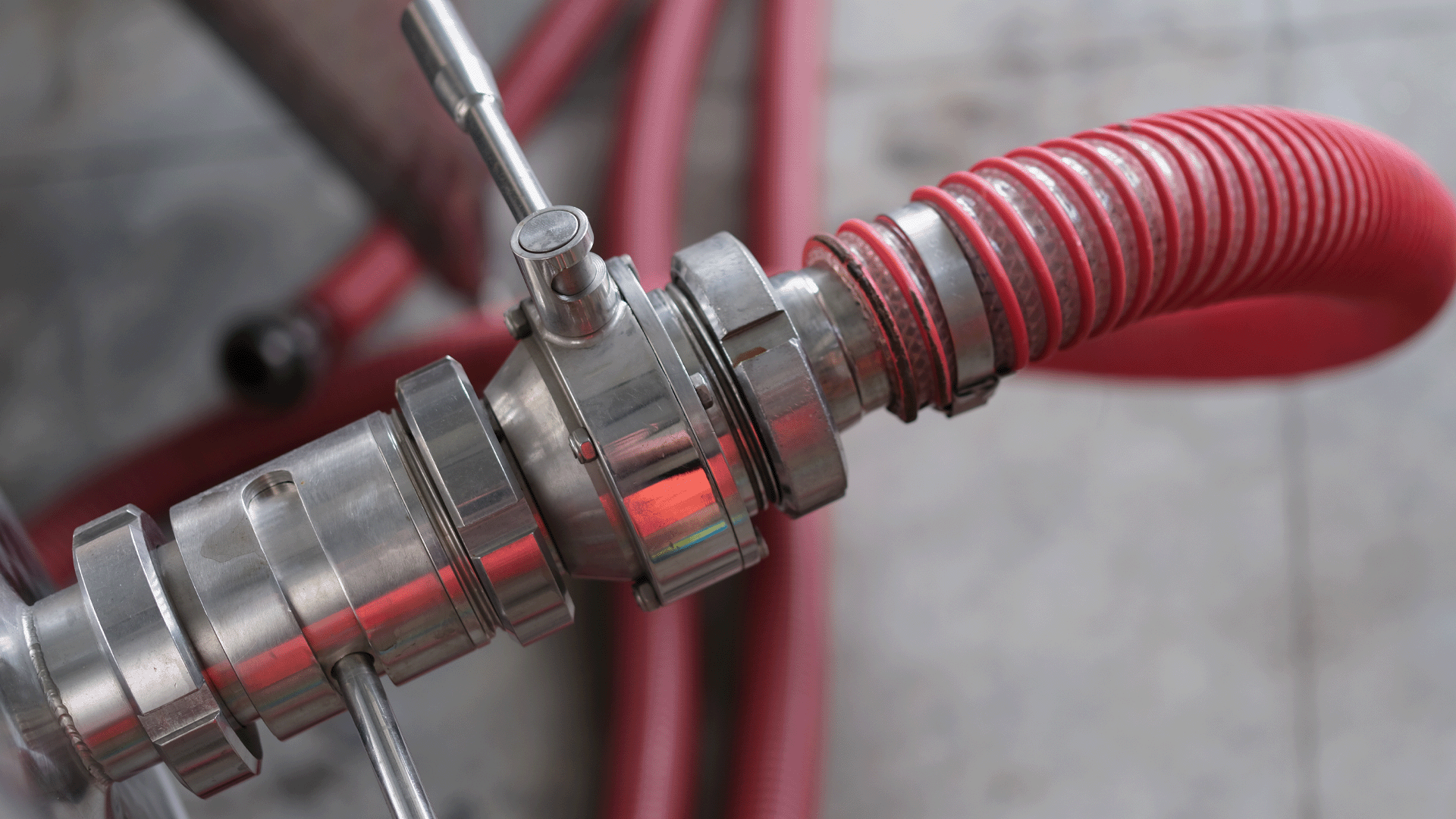
What Are Sanitary Hoses? Uses, Materials, and Selection Basics
Sanitary hoses are flexible transfer lines designed for hygienic processing environments. You will see them anywhere product, cleaning solutions, or utility water needs to move between tanks, pumps, filters, fillers, and washdown points, without adding contamination risk or creating hard-to-clean... keep reading