
Wear items are the components in a sanitary processing system that are expected to age, compress, abrade, fatigue, or lose performance through normal use (things like gaskets, hoses, connections). They may be small compared with pumps, tanks, and piping, but they often have an outsized effect on uptime, cleanability, leak prevention, and product quality.
For maintenance and quality teams, the goal isn’t just to replace parts after a failure, but to identify likely wear points, inspect them on a planned schedule, document condition trends, and keep suitable replacements available before a small issue becomes an unscheduled shutdown.
Jump to Product Category
What counts as a wear item?
In sanitary processing, wear items are usually the soft goods, sealing surfaces, or frequently handled components that experience repeated mechanical, thermal, chemical, or cleaning stress. Common examples include gaskets, valve seats, diaphragms, O-rings, pump seals, impellers, hoses, screens, clamp hardware, and certain gauge or instrument seals.
Not every component wears at the same rate. A gasket in a low-temperature transfer line may last much longer than a gasket exposed to repeated thermal cycling, aggressive cleaning chemistry, or frequent disassembly. A hose used for mobile transfer may show external wear long before a fixed hard-piped section shows any visible issue.
Why wear items deserve planned attention
Sanitary systems depend on cleanable geometry, reliable seals, and surfaces that do not create unnecessary harborage points. As wear progresses, components can become harder to clean, more prone to leakage, or less reliable during pressure and temperature changes. These issues may be gradual, which is why routine inspection is important.
Wear item management also supports better production planning. Instead of reacting to a failed gasket, cracked hose, or leaking valve seat during a run, teams can align replacements with planned cleaning windows or maintenance shutdowns. “Planning for strategic maintenance shutdowns” provides useful context for reducing disruption during planned work.
Gaskets and elastomer seals
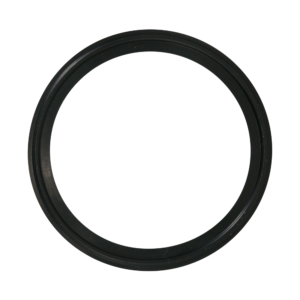
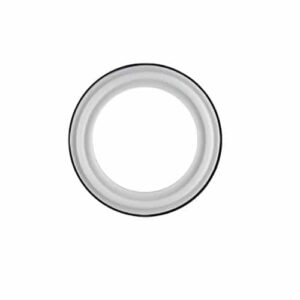
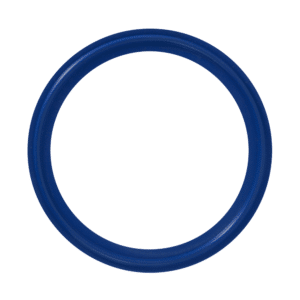
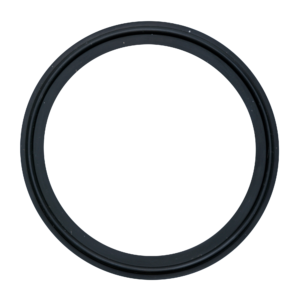
Tri-Clamp gaskets are among the most common wear items in sanitary systems. They are compressed during assembly, exposed to process conditions, and often handled during cleaning or changeover. Over time, they can flatten, crack, swell, harden, tear, or take a permanent compression set.
Inspection should focus on the sealing bead, outer edge, surface texture, and any signs of product intrusion. Gaskets that no longer seat evenly can contribute to leaks, misalignment, or cleaning concerns. Material selection also matters because elastomers respond differently to temperature, fat, oil, steam, cleaning agents, and process fluids.
For teams building or refining a gasket inspection program, “Tri-Clamp gasket cleaning and maintenance” is a practical reference for cleaning, inspection, and handling practices. When replacement timing is the main concern, “When to replace sanitary gaskets in your manufacturing facility” gives some common warning signs.

Valve seats, diaphragms, and moving seals
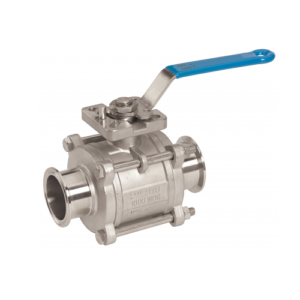
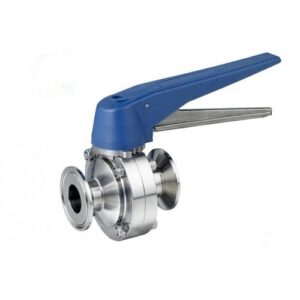
Sanitary valves often contain seats, seals, diaphragms, stems, or other parts that move or compress during operation. These components can wear from a number of things like, cycling to pressure or temperature swings. The first signs may include seepage, swelling, or visible deformation.
Butterfly valve seats, for example, are exposed to both sealing compression and disc rotation. Diaphragm valves place repeated flexing stress on the diaphragm, especially in frequent-cycle service. Understanding the valve type and service conditions helps maintenance teams choose appropriate inspection intervals and avoid treating all valves as equal.
When valves begin showing leakage, difficult operation, or visible deterioration, “6 signs that its time to replace your sanitary valves” can help teams evaluate whether repair or replacement should be considered.

Hoses and hose assemblies
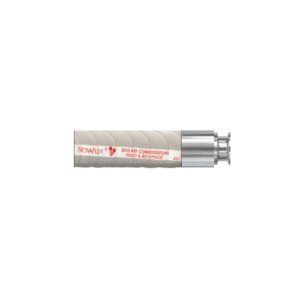
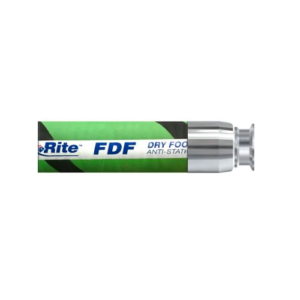
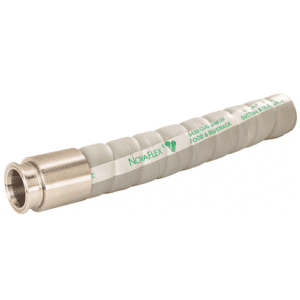
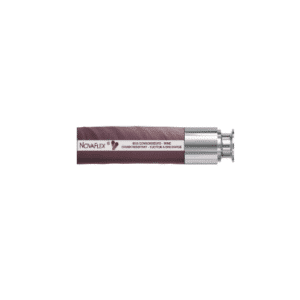
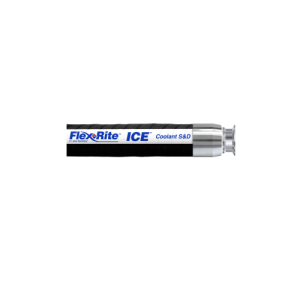
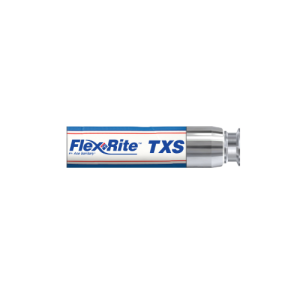
Sanitary hoses are often exposed to bending, temperature changes, chemical cleaning, and operator handling. Because they are flexible and often moved between connection points, they can wear differently than fixed stainless tubing. Some obvious signs may look like scuffs, flat spots, bulges, or persistent odor, all of which can be concerning.
Internal hose condition matters as much as the outside. A hose may look acceptable externally while the tube liner is damaged. Maintenance teams should inspect hose ends, cuffs, crimp areas, and product-contact surfaces where possible, especially on hoses used for transfer, washdown, or repeated batch changeovers.
A defined hose replacement program can reduce uncertainty. “When to replace your sanitary hoses: 5 signs of wear and tear” outlines common visual and performance indicators that a hose should be removed from service.
Pump seals, impellers, and close-clearance parts
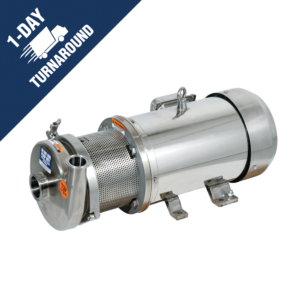
Pumps contain wear items that may not be visible without disassembly, like O-rings and impellers can degrade from normal use. Symptoms may include leakage, reduced flow, noise, heat, vibration, or declining pump performance.
Because pump wear can affect both reliability and process performance, teams should compare observed operation against expected flow, pressure, and product conditions. Repeated seal failures may point to an application issue rather than a simple parts issue. In those cases, reviewing system conditions, cleaning procedures, and pump selection is often more useful than replacing the same part repeatedly.
For pump-related troubleshooting, “3 signs your sanitary pump needs cleaning” provides additional maintenance context, while “How to choose a pump impeller type” can help teams think through impeller selection when process conditions change.
Strainers, screens, and filters
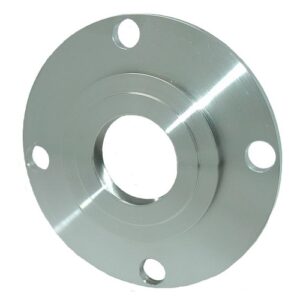
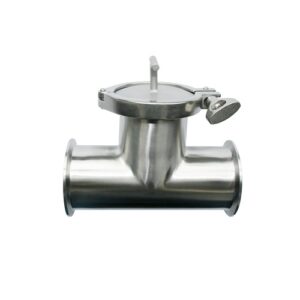
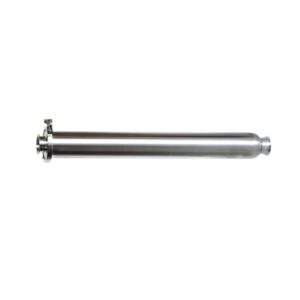
Strainers and screens can become damaged from differential pressure, improper installation, aggressive cleaning, product solids, or repeated handling. Tears, dents, plugged openings, distorted mesh, or worn sealing areas can reduce performance and create sanitation or reliability concerns. These parts should be inspected after cleaning and before reinstallation when they are removed from service.
Teams should also look for process clues. A screen that fails repeatedly may indicate excessive solids loading, incorrect mesh selection, pressure spikes, or a mismatch between the strainer and the application. “Understanding sanitary strainers” can support those selection conversations.

Clamp hardware, ferrules, and connection points
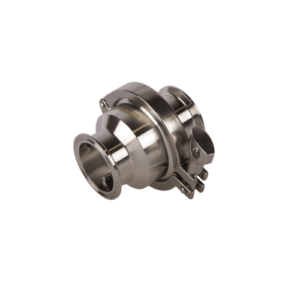
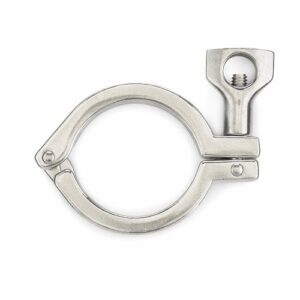
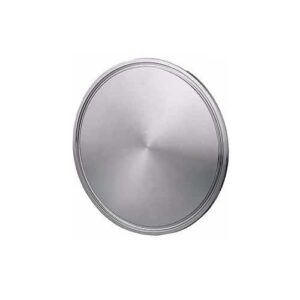
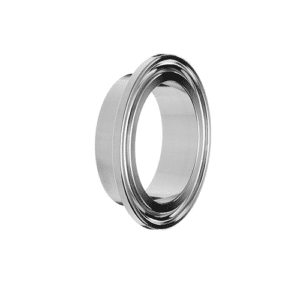
Tri-Clamp connections are designed for repeated assembly, but they still require attention. Clamp wing nuts, hinge points, ferrule faces, and gasket seating surfaces can wear, bend, gall, or become damaged during frequent disassembly. A connection may appear simple, but uneven compression or a damaged ferrule face can contribute to leaks.
Inspection should include both the hardware and the mating surfaces. Look for dents, deep scratches, or worn threads. Connection issues are also a common source of leakage, which is why “Common causes of leaks in sanitary systems and how to prevent them” is a helpful maintenance reference.

How to build a realistic wear item program
A practical wear item program starts with a component inventory. List the gaskets, seats, diaphragms, hoses, pump seals, screens, and other replacement parts used on each line or skid. Include size, material, connection type, equipment location, vendor part number, and any documented service limitations.
Next, define inspection points. Some parts can be checked visually during cleaning or changeover, while others require planned disassembly. The inspection frequency should reflect actual service conditions, including temperature, cleaning chemistry, pressure, product abrasiveness, and how often the system is opened.
Finally, document what is found. Replacing a failed part fixes the immediate issue, but documenting the condition helps reveal patterns. If the same gasket location fails repeatedly, the root cause may be misalignment, over-compression, chemical incompatibility, vibration, or incorrect material selection.
What to document during inspection
Documentation does not need to be complicated to be useful. The most important records are consistent, easy to review, and tied to the actual equipment location. A simple inspection log can help teams identify wear trends before they become recurring failures.
- Component type, size, material, and location
- Date installed and date inspected or replaced
- Observed condition, such as cracking, swelling, flattening, tearing, leakage, or discoloration
- Process conditions, cleaning exposure, and recent operating changes
- Corrective action taken and replacement part used
For regulated or quality-sensitive environments, documentation should align with internal quality procedures and applicable requirements. GMP concepts generally emphasize controlled processes, appropriate documentation, and consistent execution. “Understanding good manufacturing practices (GMP) in sanitary production” provides useful background for teams connecting maintenance records with broader quality expectations.
Managing spare parts without overstocking
Wear item management also affects procurement. Keeping no spares can create unnecessary downtime, while overstocking every possible size and material can tie up budget and create shelf-life concerns for elastomers. A balanced spare parts plan should focus first on critical lines, long-lead items, frequently replaced parts, and components that can stop production if they fail.
Teams should review spare parts after process changes. A new product, cleaning cycle, temperature profile, or operating schedule can change how fast components wear. When those conditions change, replacement intervals and stocking levels may need to change as well.
Final thoughts
Wear items are normal in sanitary processing systems, but unmanaged wear is avoidable. By identifying critical components, inspecting them consistently, documenting trends, and planning replacements around production needs, teams can reduce leaks, improve maintenance predictability, and support cleaner, more reliable operation.
The strongest programs are built from your real operating history. Start with the parts that fail most often or carry the highest downtime risk, then refine the program as inspection records reveal better patterns.
Related resources
- Planning for strategic maintenance shutdowns
- Tri-Clamp gasket cleaning and maintenance
- When to replace sanitary gaskets in your manufacturing facility
- 6 signs that its time to replace your sanitary valves
- When to replace your sanitary hoses 5 signs of wear and tear
- Sanitary pump signs cleaning
- Pump impellers types how to choose
- Understanding sanitary strainers how to choose the right one
- Common causes of leaks in sanitary systems and how to prevent them
- Understanding good manufacturing practices GMP in sanitary production